


by Luke Ratliff, on March 18, 2026
Early Intervention For Stronger Relationships
What Credit Union Leaders Should Be Asking
Here are some questions to start with:
- Which members show early behavioral drift?
- Which segments have the highest 6-month attrition probability?
- What product combinations reduce attrition most?
- Which branches or channels correlate with higher churn?
- Are we identifying disengagement before the member closes accounts?
What Would ArkaIQ Say?

By monitoring and analyzing these warning signs in your data, credit unions can proactively strengthen member relationships, retain deposits, and intervene before disengagement turns into attrition.
Let’s get right into the early warning signs to watch for. Here are 6 areas to focus in on:
- Declining Engagement Signals
- Product & Relationship Warning Signs
- Service & Experience Triggers
- Competitive Behavior Indicators
- Risk & Life Event Signals
- Cultural Warning Signs
1. Declining Engagement Signals
- Reduced transaction frequency (fewer debit/credit transactions, ACH activity, or bill pays)
- Decreasing average balances, especially in primary checking accounts
- Dormant or near-dormant accounts
- Direct deposit moved or stopped (major red flag)
- Lower digital banking logins or mobile app usage
When a member moves their primary financial relationship, attrition risk rises dramatically.
2. Product & Relationship Warning Signs
- Single-product relationships (e.g., only a savings account)
- Loan paid off with no follow-on product
- Refinancing out to another institution
- Credit card inactivity or balance transfers outward
- Minimal product penetration compared to similar member segments
- Outbound trial deposits to other institutions
Members with shallow product relationships are statistically more likely to leave.
3. Service & Experience Triggers
- Increased complaints or negative survey responses
- Long wait times or repeat contacts for the same issue
- Declining Net Promoter Score (NPS) among key segments
- Blatant signals of not understanding the member (e.g., birthday message on wrong day)
Service friction often precedes financial disengagement.
4. Competitive Behavior Indicators
- External loan inquiries on credit bureau pulls
- Large outbound transfers to fintechs or competing banks
- New recurring transfers to investment platforms
- Usage patterns consistent with digital-only institutions
These behaviors suggest members are building relationships elsewhere.
5. Risk & Life Event Signals
- Address changes outside field of membership
- Overdraft frequency spikes followed by balance drains
- Sudden inactivity after major life events (divorce, relocation, job change)
- Increased financial stress indicators
Life changes often trigger switching behavior, especially if competitors offer timely solutions.
6. Cultural Warning Signs (Internal)
Sometimes attrition risk is less about members and more about the organization:
- Data exists in silos and early signals aren't visible
- Reporting is retrospective rather than predictive
- No clear ownership of retention metrics
- Attrition is measured annually instead of proactively
Deposits Don’t Just Grow; They’re Engineered
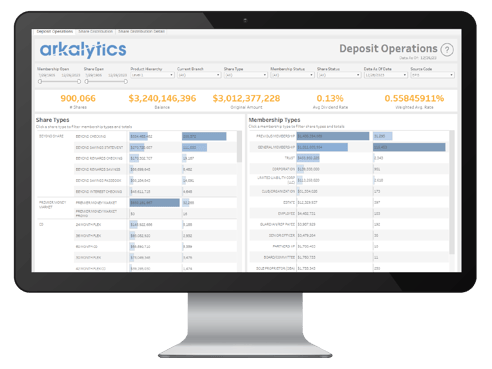
Connect with a data expert to learn more about tools you can use to proactively measure member attrition, and stay on top of member needs.

